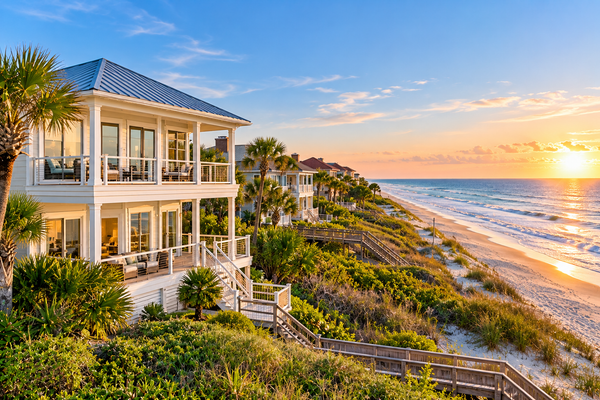
Luxury Home Inspection in Flagler Beach: What to Check
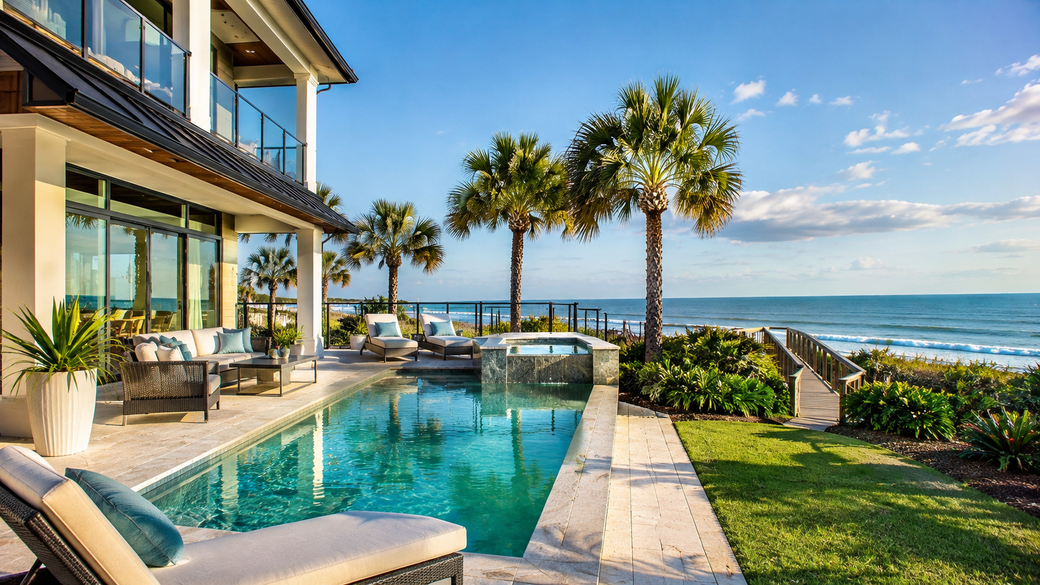
A luxury home inspection in Flagler Beach should examine far more than visible finishes because high-end coastal properties often combine multiple mechanical zones, custom materials, smart systems, and extensive outdoor amenities. For relocation buyers, the right process begins with a detailed general inspection, followed by targeted specialist reviews where the property's systems warrant them. A careful inspection plan can reveal material conditions early and provide a clearer basis for due-diligence decisions before closing.
Why Luxury Inspections Are Different
Luxury inspections need a broader scope because larger coastal homes often combine more systems, specialized materials, and higher-cost repair exposure.
- Greater square footage: More living space can mean additional rooflines, guest areas, detached structures, and mechanical equipment.
- Bespoke systems: Automation, wine storage, pools, elevators, generators, and entertainment systems often need separate expertise.
- Specialty materials: Custom glazing, stone, millwork, roofing, and exterior finishes require experienced evaluation.
- Higher repair exposure: Complex equipment can involve specialized parts, multiple trades, and longer repair timelines.
- Negotiation clarity: A thorough report helps separate routine upkeep from concerns that may justify a credit, repair request, or price adjustment.
Before hiring anyone, compare written scopes that spell out what the general inspection includes, the expected onsite time, the report-delivery schedule, and which systems will need a separate technical review. Pricing and timing depend on square footage, age, site access, coastal exposure, and installed amenities, so a flat estimate rarely fits a complex Flagler Beach property.
Luxury Home Inspection in Flagler Beach: The Core Inspection
A licensed general inspector should review the accessible structural components, roof, foundation, electrical service, plumbing, HVAC equipment, insulation, ventilation, exterior envelope, windows, doors, and drainage conditions. In a luxury home, that review should also identify multiple air-conditioning zones, separate air handlers, redundant pumps, subpanels, water-heating equipment, detached structures, and extensive exterior systems.
The general inspection is a starting point, not a substitute for every trade-specific evaluation. The American Society of Home Inspectors describes a home inspection as a visual examination of readily accessible systems and components. Features such as elevators, pool equipment, automation controls, and specialty climate systems may require separate professionals.
Experience matters because custom homes can have systems that do not follow a typical layout. Look for an inspector with a background in high-value or custom properties, plus recognized training through ASHI or InterNACHI. Florida home inspectors must hold an active state license, which buyers can verify through the Florida Department of Business and Professional Regulation's license-search portal.
Florida-Specific Reports Worth Adding
Coastal Florida ownership brings a few reports and documents that go beyond a standard inspection, and they can directly affect insurance costs and your negotiating position.
- Wind mitigation report: Documents roof shape, roof-to-wall connections, opening protection, and other wind-resistant features. Insurers commonly use it to apply premium credits, so it can change your monthly budget.
- Four-point inspection: Focuses on the roof, electrical, plumbing, and HVAC systems. Many insurers request one for older homes before issuing a policy.
- Seller flood disclosure: Florida law requires residential sellers to provide a written flood disclosure at or before the time the contract is signed. Since October 1, 2025, it covers known flood damage during the seller's ownership, flood insurance claims, and flood-related assistance.
- Condominium records: For a high-rise or mid-rise condo, ask for the association's most recent milestone structural inspection and structural integrity reserve study, which Florida law requires for condominium buildings three stories or taller.
Ordering the wind mitigation and four-point reports early helps relocation buyers lock in a realistic insurance quote before the inspection period ends.
Luxury Home Inspection in Flagler Beach: Specialty Systems
Luxury properties often include systems that require a specialist after the general inspection identifies a concern, a limitation, or an unusual installation.
Home Automation and Smart-Home Wiring
A low-voltage or automation specialist can evaluate control panels, network closets, security integration, automated shades, distributed audio, and backup-power connections. Undocumented wiring, obsolete controllers, incomplete programming, or systems that cannot be demonstrated deserve closer review.
Whole-House Generators
A generator technician should assess the unit, transfer switch, fuel supply, corrosion exposure, load capacity, service records, and automatic operation. A generator that cannot transfer power properly may undermine a key resilience feature during severe weather.
Wine Cellars and Climate-Controlled Storage
A refrigeration or climate-control professional can inspect cooling equipment, drainage, insulation, vapor barriers, seals, and monitoring equipment. Condensation, unstable temperatures, or staining can point to conditions affecting both the room and its contents.
Elevators, Outdoor Systems, and Specialty Heating
A licensed elevator professional should evaluate operation, doors, controls, safety devices, and maintenance documentation. Outdoor kitchens may require electrical, plumbing, gas, appliance, or ventilation review. Geothermal and radiant-heating systems should be evaluated by technicians familiar with the installed equipment and distribution design.
Luxury Inspection Checklist: Core vs. Specialist
A general inspection identifies visible conditions and helps determine which specialist evaluations are appropriate. Repair scope depends on access, materials, age, maintenance history, and the specialist's findings.
| System | Who inspects it | Red-flag signs |
|---|---|---|
| Core inspection items | ||
| Foundation and structure | General inspector; structural engineer if indicated | Significant cracking, uneven floors, movement, recurring moisture |
| Roof and skylights | General inspector; roofing specialist if indicated | Damaged coverings, failed flashing, leaks, deteriorated seals |
| Electrical service | General inspector; licensed electrician if indicated | Overheating evidence, improper wiring, panel concerns |
| Plumbing and water quality | General inspector; plumber or water-quality professional if indicated | Leaks, corrosion, low pressure, drainage concerns |
| HVAC systems | General inspector; HVAC contractor if indicated | Weak cooling, aging equipment, drainage issues, uneven performance |
| Insulation and air sealing | General inspector; building-envelope specialist if indicated | Moisture, gaps, damaged insulation, air leakage |
| Specialist inspection items | ||
| Pool and spa | Pool and spa inspector | Cracking, leaks, equipment failure, barrier concerns |
| Septic or private well | Septic professional; water-quality laboratory | Backups, poor drainage, pump issues, water-quality concerns |
| Chimney and fireplaces | Chimney specialist | Damaged liner, moisture, cracked masonry, drafting issues |
| Home automation and AV | Low-voltage or automation specialist | Nonfunctioning controls, obsolete equipment, undocumented wiring |
| Elevator | Licensed elevator professional | Door faults, irregular travel, missing maintenance records |
| Pest and wood-destroying organisms | Licensed pest professional | Damaged wood, moisture conditions, active pest evidence |
| Environmental conditions | Qualified environmental professional | Moisture evidence, deteriorated older paint, elevated test results |
Pool, Spa, and Outdoor Amenity Inspections
A qualified pool and spa inspector should examine shell condition, visible plumbing, pumps, filters, heaters, drains, safety barriers, equipment rooms, automation controls, and water-treatment systems. Luxury properties may also include water features, outdoor showers, integrated lighting, sound systems, and remotely controlled equipment that need trade-specific attention.
Buyers should watch closely for concealed leaks, aging pumps or heaters, electrical-safety concerns, damaged finishes, and automation controls that do not operate as represented. Outdoor kitchens, fire features, sport courts, and detached entertaining areas can also warrant specialist review when they are important to the property's value or intended use.
Salt air, wind-driven rain, and persistent moisture make equipment enclosures, exterior electrical protection, drainage, and maintenance records especially relevant in Flagler Beach.
Environmental and Site-Specific Risks
Environmental testing should reflect the home's age, design, site conditions, and observed evidence. Radon testing can be appropriate in finished lower-level spaces or other occupied areas below the third floor. The U.S. Environmental Protection Agency identifies 4 pCi/L as its action level and notes that short-term radon tests run for at least 48 hours.
Mold evaluation is appropriate when a property has staining, musty odors, prior leak history, unusual humidity, or large compartmentalized spaces that can conceal moisture intrusion. A qualified assessor can help distinguish a localized condition from a broader moisture-management issue.
For homes built before 1978, deteriorated painted surfaces or planned renovation can justify lead-related due diligence. The EPA explains federal disclosure requirements for most pre-1978 housing in its lead-based paint guidance. Larger parcels may also call for private-well testing, septic evaluation, grading review, and assessment of drainage paths around outbuildings and hardscape. For coastal lots, check the property's flood-zone status through FEMA's Flood Map Service Center and compare it with the seller's flood disclosure.
Pro Tip: Schedule the general inspection first, then use its findings to decide which specialist evaluations are justified. Inspection periods are set by the purchase contract, so book the general inspection early enough to allow specialist follow-up before the contractual deadline.
How to Choose a Luxury Home Inspector in Flagler Beach
The best luxury home inspector has experience with custom construction, larger floor plans, complex mechanical systems, and coastal property conditions. Ask how many comparable homes they have inspected, which systems they commonly refer for specialist evaluation, and whether they can coordinate scheduling with pool, roofing, HVAC, electrical, automation, or environmental professionals.
Review a sample report before hiring. A strong narrative report identifies locations, includes photos, explains limitations, and distinguishes observed conditions from recommendations for further evaluation. A checkbox-only report may not provide enough context for relocation buyers who cannot attend every appointment in person.
Confirm active Florida licensing, relevant ASHI or InterNACHI credentials, and errors-and-omissions coverage that is appropriate for the property's complexity. Ask whether the inspector can complete the onsite review and deliver the report within the contract window. Interview at least two inspectors, then compare their scope, communication style, reporting quality, and specialist coordination process.
What Inspection Findings Mean for Relocation Buyers and Investors
Relocation buyers who cannot attend in person should ask for a live video walkthrough or a call with the inspector the day of the inspection. Pair the report with insurance quotes based on the wind mitigation and four-point results so the full monthly cost is clear before the inspection period ends.
Luxury property investors should read the report with resale and rental use in mind. Signature features like pools, elevators, and automation systems add appeal but also add service contracts and downtime risk, which belong in any income projection or management plan.
What Luxury Inspection Findings Mean for Negotiation
| Finding type | Typical buyer response | Negotiation lever (credit, repair, or price reduction) | When to walk away |
|---|---|---|---|
| Cosmetic or deferred maintenance | Separate ordinary upkeep from material defects | Consider a credit or price discussion when several items create a meaningful combined scope | When condition conflicts with the buyer's budget, plans, or project tolerance |
| Major system defect, such as HVAC, roof, or electrical | Obtain a qualified trade opinion and written scope | Repair, credit, or price reduction may fit based on timing and seller preference | When the issue is extensive, poorly defined, or cannot be resolved within the contract timeline |
| Safety hazard, including structural or environmental concerns | Seek prompt specialist assessment | Request a resolution that addresses the documented condition | When risk remains uncertain or the proposed remedy is not credible |
| Specialist system failure, such as pool, elevator, or generator | Confirm whether repair, replacement, or modernization is needed | A credit or price reduction may provide flexibility for specialized scheduling | When a signature feature has an uncertain or disproportionate restoration scope |
| Code violation or unpermitted work | Review records and consult appropriate professionals | Request documentation, corrective work, credit, or a price adjustment | When permits, safety, financing, or insurability cannot be resolved |
Negotiation outcomes depend on local market conditions, buyer priorities, the property's competition, and the documented scope of work.
Protect Your Investment in Flagler Beach
A luxury home inspection in Flagler Beach helps buyers understand a property's present condition and prioritize specialist reviews before making a final decision. If you are relocating and weighing coastal homes, it also helps to know what daily life in Flagler Beach looks like before you commit.
Alina Pekarsky and the Virtual Homes Realty team can help you line up inspections within your contract window and talk through what the findings mean for your purchase. Call or text (386) 445-9911 or email alina@vhrfl.com.
Frequently Asked Questions
How much does a luxury home inspection cost in Flagler Beach?
Luxury inspection costs vary with square footage, age, accessibility, outdoor amenities, and specialty systems. Request written quotes that separate the general inspection from pool, roofing, HVAC, environmental, wind mitigation, four-point, and specialty-equipment evaluations.
How long does a luxury home inspection take?
A luxury property review commonly takes longer than a standard inspection because the inspector may need to assess multiple zones, detached structures, outdoor amenities, and extensive finishes. Confirm the expected onsite schedule based on the home's size and complexity.
What specialist inspectors should I hire beyond the general inspector?
The appropriate specialists depend on the home's features and the general inspector's findings. Pool, roofing, HVAC, electrical, plumbing, elevator, automation, septic, water-quality, pest, and environmental professionals are common follow-up resources, and a wind mitigation report is worth ordering for most Flagler Beach homes.
Can I skip the inspection on a new-construction luxury home?
No, a new luxury home can still benefit from an independent review because installation details, drainage, finishes, and newly installed systems may need another assessment. Where timing permits, buyers may consider both a pre-drywall review and a final inspection before closing.
What are the most common deal-killers found in luxury home inspections?
The most serious findings often involve structural movement, substantial water intrusion, roofing concerns, major electrical problems, failed mechanical systems, environmental conditions, or undocumented work. A transaction may become impractical when the scope is uncertain or no credible resolution fits the contract timeline.
Categories
Recent Posts